
The Double-Edged Sword of Debt: Understanding, Managing, and Mastering Financial Obligations

Introduction: The Ubiquity of Borrowing
Debt, in its many forms, permeates nearly every aspect of modern life. From student loans and mortgages to credit cards and business lines of credit, borrowing is both a tool of progress and a potential pitfall. For individuals and institutions alike, debt can fuel dreams or sink futures. But what transforms debt from a prudent investment into a crushing burden? The answer lies in understanding the true nature of debt, its role in personal and economic ecosystems, and how to wield it with care and intention.
What Exactly is Debt?
At its core, debt is the act of borrowing money with the promise to repay it, typically with interest. While it sounds simple, the implications are vast. Debt allows individuals to access capital they don’t currently have, enabling them to purchase homes, pursue higher education, or invest in entrepreneurial ventures. On a broader scale, governments and corporations rely on debt to finance growth, stimulate economies, and manage cash flow.
There are two primary types of debt:
-
Secured Debt: Backed by collateral (e.g., mortgages, auto loans)
-
Unsecured Debt: Not tied to any asset (e.g., credit cards, student loans)
Each serves a different purpose and carries its own set of risks and rewards.
The Bright Side of Borrowing: Strategic Debt as a Financial Lever
Contrary to its often negative connotation, debt isn’t inherently bad. In fact, when used wisely, it can be a powerful financial instrument. Here’s how:
-
Credit Building: Responsible borrowing builds credit history and improves credit scores, paving the way for better rates and financial opportunities.
-
Wealth Creation: Strategic leverage, such as using a mortgage to purchase a home that appreciates in value, can build long-term wealth.
-
Business Expansion: Companies often use debt to finance growth without diluting ownership through equity.
In these contexts, debt serves as a catalyst, helping individuals and organizations reach goals that would otherwise be out of reach.
The Dangers of Debt: When Borrowing Turns Burdensome
Despite its potential, debt becomes dangerous when mismanaged. High interest rates, poor spending habits, and insufficient income can lead to a spiraling cycle of borrowing and repayment. This is especially true of unsecured consumer debt, which often comes with punishing terms.
Common pitfalls include:
-
Living Beyond Means: Using credit to sustain a lifestyle that income cannot support.
-
Minimum Payments Trap: Paying only the minimum on credit cards leads to prolonged debt and massive interest costs.
-
Debt Consolidation Scams: Desperate borrowers may fall prey to companies promising quick fixes that ultimately worsen the situation.
The emotional toll is equally significant. Persistent debt contributes to anxiety, depression, strained relationships, and diminished quality of life.
Understanding Interest: The Cost of Borrowing
One of the most crucial—yet often misunderstood—elements of debt is interest. Simply put, interest is the price paid for the privilege of borrowing. But the structure of interest can make a dramatic difference in how quickly debt grows.
-
Simple Interest: Calculated only on the principal amount.
-
Compound Interest: Calculated on both the principal and accumulated interest—this can exponentially increase the total debt over time.
Understanding the terms of any loan is essential. Even a seemingly small difference in interest rates can lead to vastly different repayment totals.
Smart Debt Management: Principles for Borrowing Wisely
Mastering debt begins with a disciplined, informed approach. These guiding principles can help ensure that borrowing remains a tool rather than a trap:
-
Know Your Numbers
-
Track income, expenses, and outstanding debts.
-
Calculate your debt-to-income ratio to assess financial health.
-
-
Borrow with Purpose
-
Avoid taking on debt for depreciating assets or fleeting desires.
-
Prioritize borrowing for investments with long-term value.
-
-
Understand the Terms
-
Scrutinize interest rates, fees, and repayment timelines.
-
Be wary of variable rates that can spike unexpectedly.
-
-
Pay More Than the Minimum
-
Reducing principal early saves interest over time.
-
Consistent overpayments can shorten loan durations significantly.
-
-
Build an Emergency Fund
-
Avoid the need to rely on credit in times of crisis.
-
Cushion unexpected expenses with dedicated savings.
-
Escaping the Debt Trap: Recovery and Resilience
If you’re already in over your head, the road back to solvency may feel steep—but it’s not impossible. Effective debt recovery requires both tactical steps and a mindset shift.
-
Create a Debt Repayment Plan
-
Choose between the snowball method (smallest balances first) or avalanche method (highest interest first).
-
Automate payments where possible to avoid missed deadlines.
-
-
Negotiate with Creditors
-
Many lenders are willing to restructure terms or offer hardship options if approached proactively.
-
-
Seek Professional Help
-
Certified credit counselors or financial advisors can provide clarity and structure.
-
-
Develop New Habits
-
Address the behaviors that led to debt accumulation.
-
Practice delayed gratification, budgeting, and goal-based saving.
-
Debt in Society: A Reflection of Cultural Values
Beyond personal finance, debt is a mirror reflecting broader societal values. In Western economies, the normalization of debt—particularly consumer debt—has shaped spending habits and cultural expectations. From car loans to student loans, borrowing is often seen as a rite of passage rather than a serious obligation.
This normalization, while economically stimulating, comes with long-term consequences: rising defaults, shrinking household savings, and the perpetuation of economic inequality.
Conclusion: Debt as a Financial Discipline
Debt is neither hero nor villain. It is a neutral force, capable of empowering or ensnaring, depending on the hands that wield it. Like fire, it can warm a home or raze it to the ground. The challenge—and opportunity—lies in developing the wisdom to discern when and how to borrow, and the discipline to repay what is owed.
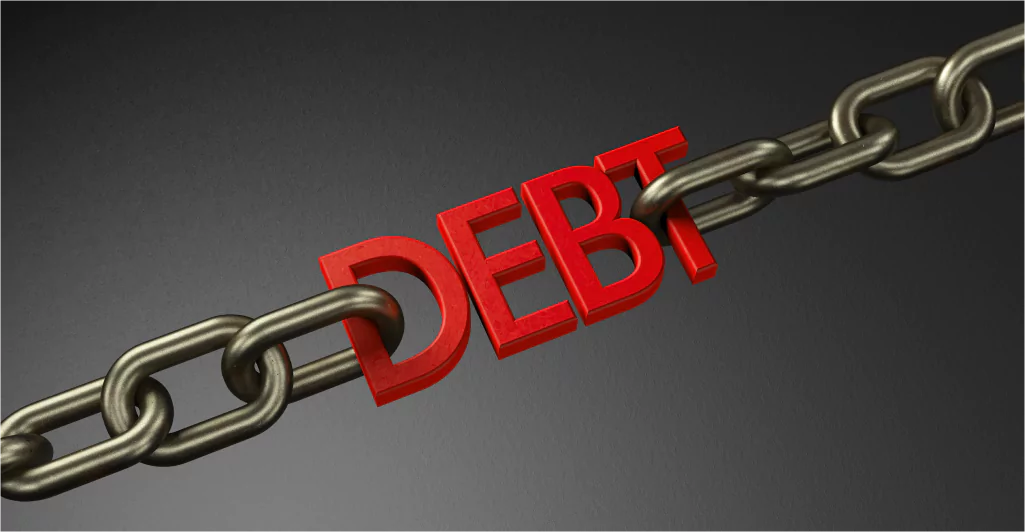
Ultimately, mastering debt is not about deprivation or austerity. It is about intentionality, foresight, and self-respect. When managed well, debt becomes not a chain, but a bridge—linking today’s limitations to tomorrow’s possibilities.

Comments are closed.