

Introduction: The Invisible Currency of Modern Life
Credit is not merely a financial term; it is a form of trust that shapes economic behavior and personal opportunity. In today’s interconnected economy, credit functions as an invisible currency—powerful, influential, and often misunderstood. For the average individual, credit opens doors to home ownership, education, travel, and even career advancement. For businesses, it acts as a lifeline for growth and liquidity. Yet, despite its importance, credit remains elusive to many, shrouded in jargon and misconception. This article aims to explore the nuances of credit with clarity and sophistication, offering a refined understanding of how to build, manage, and leverage it wisely.
What Is Credit? A Modern Financial Framework
At its core, credit is the ability to borrow money or access goods or services with the understanding that you will pay later. It’s a system built on reputation and reliability. In the financial world, credit serves as a measure of your fiscal behavior over time—a reflection of how well you manage your obligations.
There are three primary forms of credit:
-
Revolving Credit: Most commonly associated with credit cards, this type allows borrowers to use funds up to a certain limit and carry a balance from month to month
-
Installment Credit: Used for specific purchases like homes or vehicles, this involves borrowing a fixed amount and repaying it in set installments over time
-
Open Credit: Less common and typically used for utilities or charge cards, this must be paid in full each billing cycle
The Mechanics Behind a Credit Score
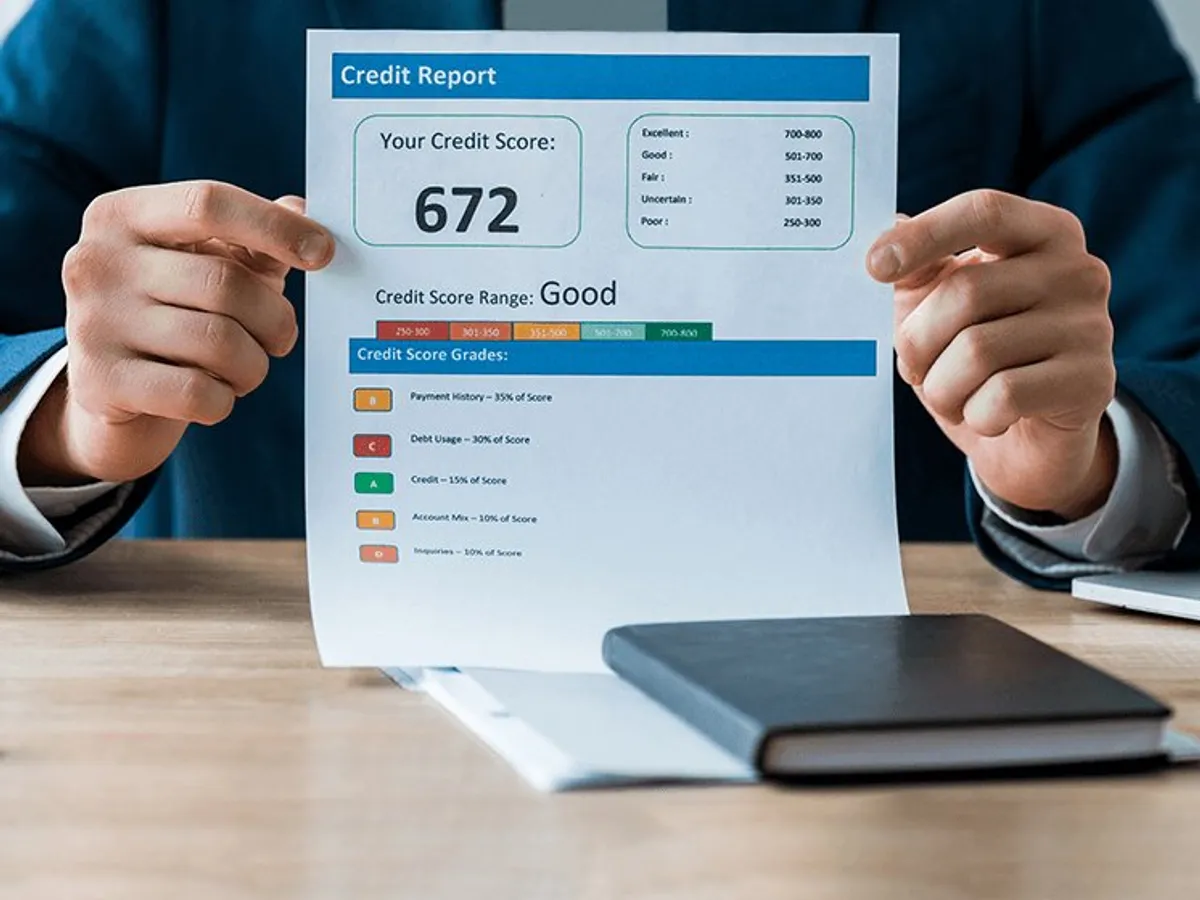
A credit score is a numerical representation of your creditworthiness. In many countries, including the United States, the score ranges from 300 to 850, with higher scores indicating better financial behavior. This score is not arbitrary—it’s calculated based on a complex algorithm that analyzes data from your credit report.
Key components that influence your score include:
-
Payment History (35%): Timely payments are critical. Even a single late payment can have a significant impact
-
Credit Utilization (30%): The ratio of your credit card balances to your limits. Keeping this below 30% is considered ideal
-
Length of Credit History (15%): The longer your credit accounts have been active, the more data there is to assess your reliability
-
Credit Mix (10%): A blend of different credit types—such as loans, credit cards, and mortgages—reflects a well-rounded financial profile
-
New Credit Inquiries (10%): Frequent applications for new credit may suggest financial instability
Why Credit Matters in Everyday Life
Though invisible, credit affects many visible aspects of life. A strong credit profile makes it easier to navigate major financial decisions. It can also influence your lifestyle, from the neighborhood you live in to the car you drive.
The benefits of good credit include:
-
Access to Lower Interest Rates: A higher score often translates to more favorable loan terms and lower borrowing costs
-
Greater Financial Flexibility: Whether starting a business or managing unexpected expenses, good credit offers options
-
Better Rental and Mortgage Opportunities: Landlords and lenders often use credit to determine risk
-
Improved Insurance Premiums: Some insurers offer lower rates to individuals with high credit scores
-
Professional Advantages: Certain employers consider credit as a proxy for responsibility and reliability
How to Establish and Maintain Good Credit
Creating a solid credit foundation is a gradual but rewarding process. It requires a thoughtful combination of discipline, planning, and awareness.
Strategies to build and preserve good credit include:
-
Make Payments on Time: Set up automatic payments or calendar reminders to avoid late fees and dings to your score
-
Use Credit Responsibly: Keep your credit utilization low, even if you have a high limit
-
Avoid Unnecessary Credit Applications: Each inquiry can reduce your score slightly, so be selective
-
Keep Old Accounts Open: Longevity improves your score, even if the account isn’t actively used
-
Monitor Your Credit Reports: Review your credit history annually to identify errors or fraudulent activity
Misconceptions That Undermine Financial Success
Many people sabotage their own credit by following misguided advice. Understanding the difference between myth and reality is essential.
Common credit myths debunked:
-
“Carrying a balance builds credit”: Not true. Paying off your balance in full is better for your score and your wallet
-
“Closing a card helps your credit”: This can actually harm your credit utilization and reduce the length of your credit history
-
“Checking your score hurts your credit”: Only hard inquiries from lenders affect your score, not personal checks
-
“You need to be in debt to have good credit”: Responsible use, not debt, is the cornerstone of a strong credit profile
The Risks of Credit Mismanagement
While credit can be empowering, misusing it can lead to long-lasting consequences. Falling into debt traps or ignoring bills can severely damage your credit score and limit future financial opportunities.
Warning signs of poor credit management:
-
Making only minimum payments on cards
-
Using credit to cover daily expenses
-
Frequently maxing out your available credit
-
Receiving calls from collection agencies
-
Avoiding financial statements due to anxiety
Emerging Trends in the Credit World
As digital finance continues to evolve, so do credit assessment methods. Alternative scoring models now incorporate rental payments, utility bills, and even subscription services. Additionally, fintech companies are introducing more accessible credit options for underserved populations, offering an inclusive path toward credit-building.
The rise of Buy Now, Pay Later (BNPL) services, mobile banking apps, and AI-driven lending tools is revolutionizing how individuals engage with credit. However, these innovations come with new challenges, including the need for digital literacy and heightened awareness of privacy and data protection.
Conclusion: Cultivating a Relationship with Credit
Credit is more than a number—it’s a reflection of your financial habits, decisions, and long-term reliability. When approached thoughtfully, it becomes a powerful ally in your journey toward financial independence and stability. In a world where financial agility is increasingly vital, understanding and nurturing your credit profile is a hallmark of savvy, forward-thinking personal finance. Treat credit not as a crutch, but as a carefully managed tool that, when used with intelligence and restraint, can unlock doors to a brighter, more secure future.

Comments are closed.